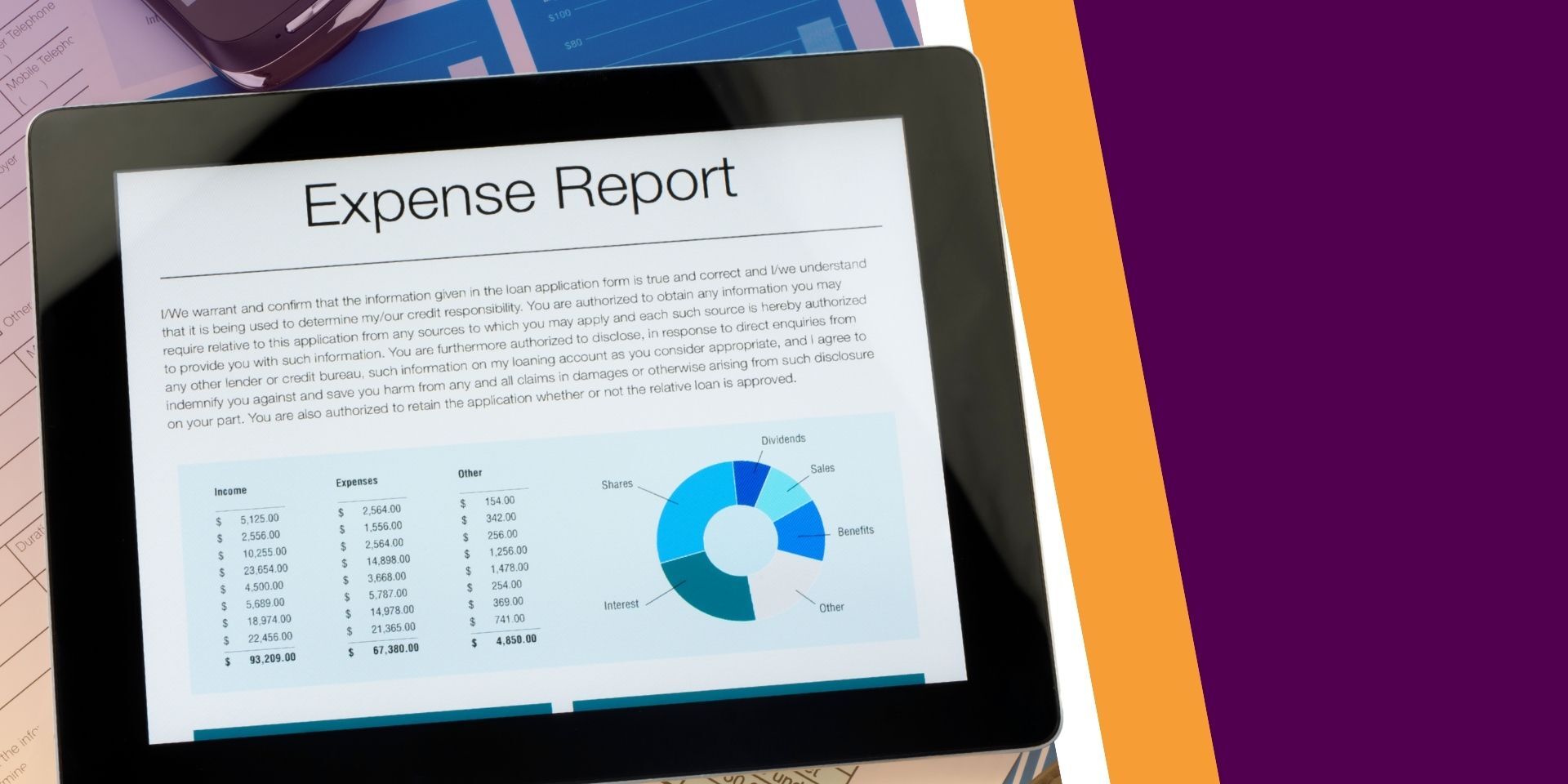
You have a team of living, breathing people, which comes with human needs and an associated cost. Flights, meals, mileage, supplies, and every other business expense you can think of needs to be tracked. For a long time, we were forced to do it by hand, but many organizations likely take for granted how much technology has improved the process. With expense management software, you can make that process even simpler with automation tools and other features that reduce manual, time-intensive, and error-prone entries.
That’s why it’s not surprising that the advisors at Software Advice found that 14% of people reaching out about accounting software are also wanting expense management capability. As a quick search can tell you, you have many options available to integrate into your tech stack, like Ramp, Stripe, BILL, and many others. So let’s get into WHY these integrations are becoming a must-have.
As we mentioned, the manual cost of expense management is usually the biggest motivator for any business to look for a new solution. Chasing down a receipt from last quarter, combing over spreadsheets for an incorrect calculation, or figuring out conversion rates are just some of the steps that bog down your accountants. So, naturally, they want something that’s easy to learn and use, and you want something with more traceability.
To get the right expense management software, you need to look a bit beyond usability. If you simply base it on the initial bells & whistles and a clean UI, you might be missing out on a key differentiator for your team or industry. Ask yourself, “What is the lasting effect that integrating a solution will have on your accounting processes long-term?”
The short answer, in our opinion, is the time you save day-to-day. When combined with your ERP, the right expense management solution will replace a number of steps by automating it all, saving you jumping from one platform to another and needing to consolidate financial data manually.
While we just finished saying, don’t focus on the “initial bells & whistles”, we also know that you want to see what some of the top expense management solutions offer that make them such great time and money savers.
From leading ERP platforms like Sage Intacct, Acumatica, or Microsoft Dynamics Business Central, down to day-to-day programs like your Gmail, Slack, Perk, and the like, you’ll want a solution that works with your entire tech stack. For example, Ramp integrates with more than 200 programs.
You might think it only needs to integrate with accounting, but having your expense management solution work with the rest of your tech stack helps you create a streamlined, centralized workflow, rather than trying to grab data or reports from each individual item. You remove bottlenecks by sending automatic updates and communications through your team’s Slack or email, for example. The less steps your team has to do, the better.
We know Sage Intacct, and we love the way it breaks down data into dimensions. You’ll want to make sure that your new expense management solution works nicely with this. Take BILL, for example. However you've mapped your financial tracking, it carries over to keep your Sage Intacct setup just as you like it. You’ll want to make sure that whatever solution you choose will work well with how your solutions are already set up.
Or you might prefer how Ramp lets you create your own dimensional categories for accurate analysis by department, user, vendor, time period, card, or other means. Then the AI-powered Reporting Agent can help your accountants drill down with specific questions. Want to know why travel expenses spiked without reaching out to every salesperson? Ask the question and the Reporting Agent will find the trends.
One of the most loved things about modern expense management solutions are that they give you various ways to get real-time data for nearly instant insights. Receipt capture functionality usually makes it easy for employees to submit a paper trail. They just need to snap a photo or email it, and the solutions automatically take out the key details (thanks, OCR technology!) and sort it away without any manual input. Hassle-free visibility.
Expense controls let you be much more proactive, too. With most modern solutions, you can enforce policies on your corporate cards and spending by setting limits on specific merchants or amounts. Then reminders and automatic locks keep your team honest and prevent overspending. Look at Stripe’s Radar, which uses AI to prevent fraud. It’s smart enough to look at patterns in your debits, crypto, cash vouchers, etc. and block high-risk transactions immediately. It can even provide early warnings on potential fraud’s that may result in a dispute so you can avoid it. In the end, everything stays compliant alongside smoother workflows. No one needs to spend time reviewing and approving or denying every single step in the process.
Each expense management solution will have different features or functionality that might be a ‘meh’ for your team, or it might be something that saves a ton of time and makes your team extremely happy. This is where it can help to talk to a technology partner (like our team at Equation) to see which solutions might be known to work well for your industry or unique needs.
Once you look at all the above features, you can see where a modern expense management solution cuts down on the more traditionally time-intensive tasks accounting teams must handle. Plus, less manual entry provides more accurate reporting.
In tandem with clearly set expense policies that the solutions automatically enforce, you don’t run into the same bottlenecks that delay your month-end reports. Receipts and other expenses get classified quickly by multiple data points, needing less oversight while showing more accurate information on your reporting. Along the way, your dashboards and other functionality, like Ramp’s AI Reporting Agent or BILL’s auto-categorization, can narrow down any financial data you want BEFORE the end of the month.
By adding expense management software to your accounting tech stack, you’re gaining more time. For example, recent reporting shows that Ramp has saved a combined $10 billion and 27.5 MILLION hours across 40,000 different clients. That means shifting your accounting team to higher-priority projects, putting money where it’s needed most, and stressing less about your expenses. If you like the sound of that, let’s chat. We have the financial expertise to look at your tech stack and see which expense management software would be the best fit for your needs.
So how exactly does this amazing seamless integration work that we’ve built with JMS between Sage...
Metals manufacturing and the subsequent distribution of products derived from that process has been...


Equation Technologies
United States: 533 2nd Street Encinitas, CA 92024
Canada: #301 - 220 Brew Street Port Moody, BC V3H 0H6
Phone: 866.436.3530 • E-mail: info@equationtech.us
Equation Technologies ©2016